Seth Dillon spent years in the trenches of the platform-moderation wars, fighting to keep satire alive on social media. He won more rounds than most. The Babylon Bee survived suspensions, fact-check labels, and the sustained disapproval of people who, apparently, could not tell a joke from a news report.
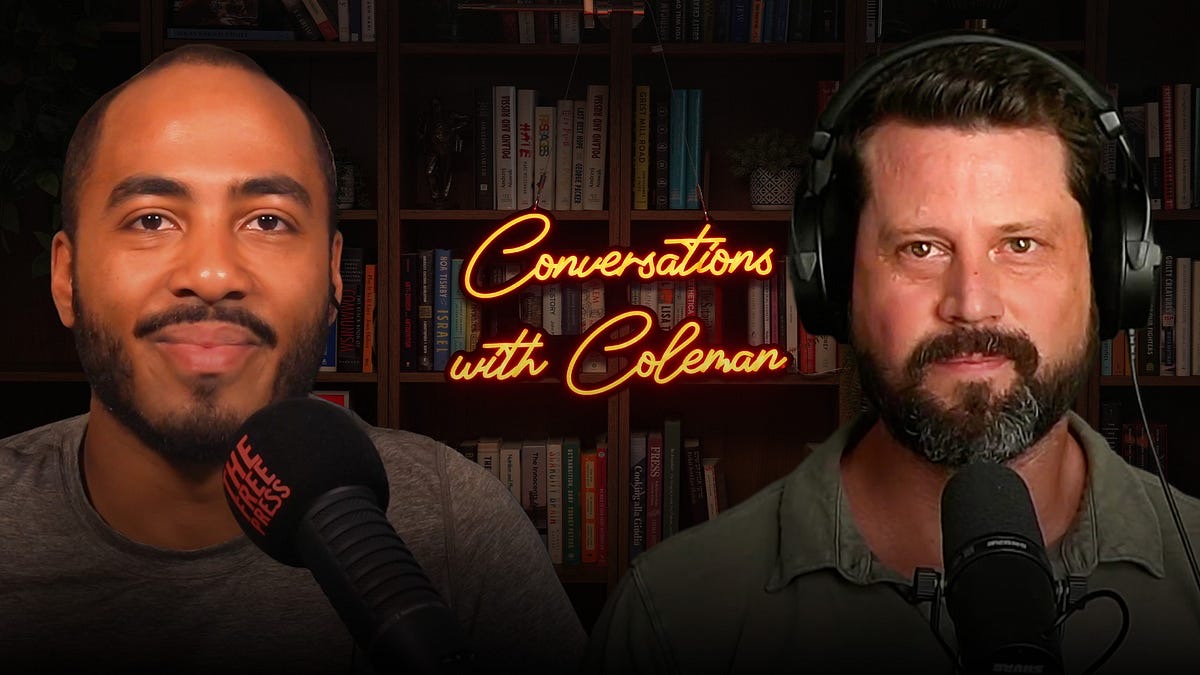
On August 17, 2026, Dillon sat down with Coleman Hughes for an episode of Conversations with Coleman — a conversation that runs just over an hour and covers ground that goes well beyond comedy shop talk.
The central tension Dillon describes is worth sitting with. The fight for free speech, as he tells it, was a fight to restore the conditions under which honest comedy — and honest argument — could exist. That fight, by his own account, succeeded in meaningful ways. Platforms loosened. The fact-checkers lost credibility. The space to say difficult or absurd things out loud got wider.
But Dillon now believes that victory came with a cost he did not anticipate. A culture with the restored freedom to say anything, he argues, has been built on top of a growing willingness to believe nothing. The freedom is real. So is the corrosion underneath it.
That is not a small observation. It is, in fact, the kind of observation that tends to make everyone uncomfortable — the free-speech absolutist and the speech regulator alike. Dillon is not walking back his position on platforms or censorship. He is identifying a second-order problem that the first-order victory did not solve.
The conversation also covers why Donald Trump is, in Dillon's telling, nearly impossible to parody — a recurring complaint among satirists that points to something real about the current political moment: when the subject already operates at the outer edge of the plausible, the satirist has nowhere left to go. And Dillon mentions one joke he now regrets pulling, though the full substance of that exchange sits behind a subscription wall.
Hughes, who covers race, public policy, and applied ethics for The Free Press and published his first book, The End of Race Politics: Arguments for a Colorblind America, in 2024, is a useful interlocutor here. He is not a culture-war combatant in the usual sense. He tends to follow an argument wherever it leads, which makes the conversation more diagnostic than performative.
What the record shows, plainly, is this: Dillon built something that survived institutional pressure and came out the other side with an audience and a platform. The question he is now asking himself — whether the culture that made that survival possible is itself healthy — is the more interesting question. It is also the harder one.
Say it plainly: free expression is a precondition for a functioning public square, not a guarantee of one. The Babylon Bee's fight was worth having. What Dillon is describing now is the work that comes after the fight — the slower, less dramatic project of building a culture that can handle the freedom it demanded. That project has no fact-checkers to beat and no platform policy to appeal. It depends entirely on whether enough people still care about the difference between what is true and what is merely permitted.