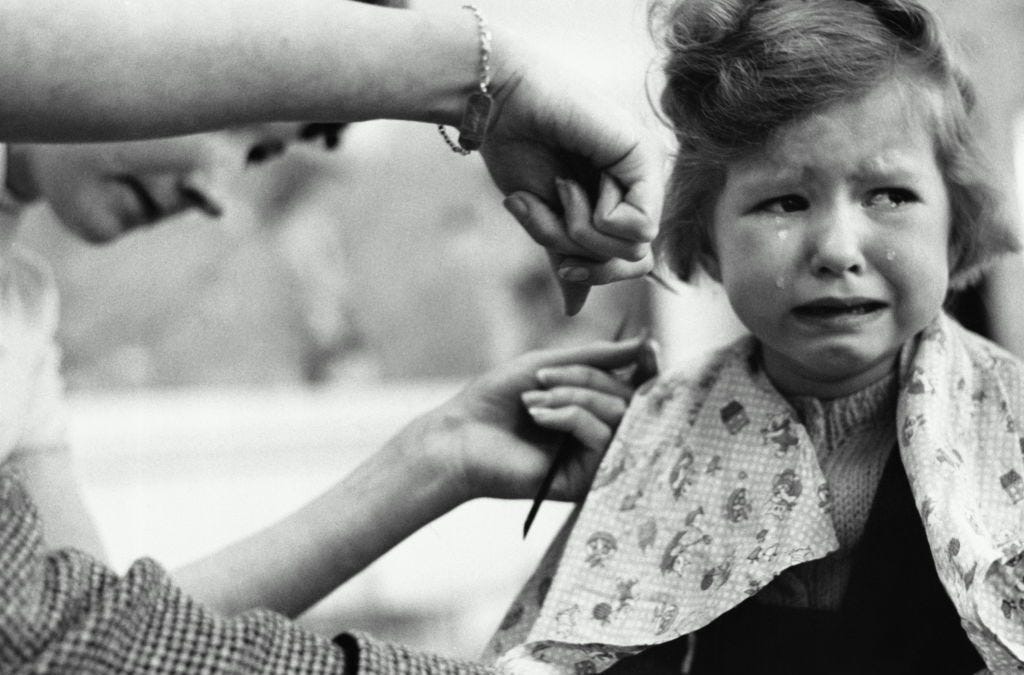
The letter is specific enough to be useful. A mother writes that her 8-year-old daughter — talented, sociable, 'generally thriving' — has moved from nervousness about new situations to full shutdown. Shoulders slump. She goes nonverbal. She stops participating. It happens at dance, swimming, and piano. It has now reached math homework and writing assignments at school.
The mother wants to know three things: Is this normal or clinical? If therapy, what kind? And what about medication?
These are not abstract questions. They are the questions millions of parents are sitting with right now, quietly, because the cultural consensus has already answered them — and the answer is always: more professional intervention, sooner, longer.
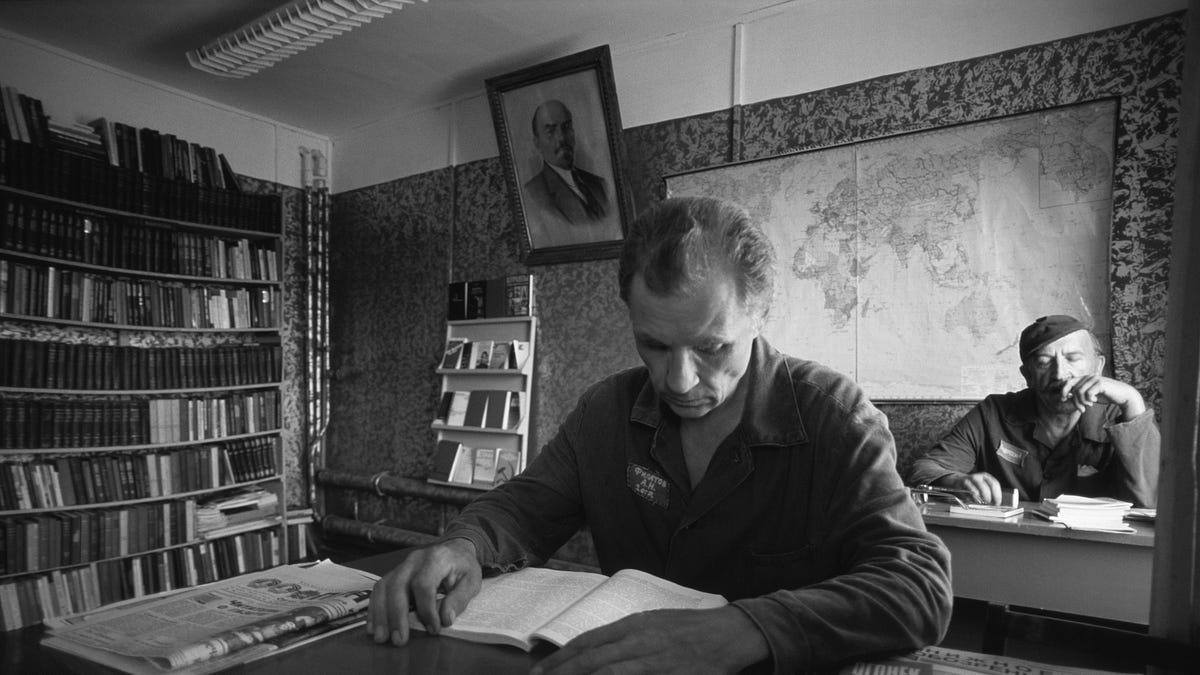
Abigail Shrier, the journalist and author, runs a column called 'Tough Love' at The Free Press. Her answer, characteristically, does not begin with a referral. It begins with a scene: the Challenger explosion, watched on a television cart wheeled into an elementary school multipurpose room. The lights went out. The shuttle went up. Seconds later, every astronaut the children had spent weeks studying became, in Shrier's words, 'a fiery starburst, then nothing.' The lights came back on. The children were ushered to class. No one offered a word of explanation.
The anecdote is not decorative. Shrier has argued elsewhere — in her book Irreversible Damage and in her public writing — that the therapeutic model applied to children often mistakes the discomfort of growth for the symptom of disorder. The instinct to name, diagnose, and treat can, in certain cases, teach a child that her distress is a condition rather than a passage.
The mother's own framing is worth noting. She asks not just whether to seek help, but how to find a therapist 'who will really help, and challenge her to graduate out of therapy, instead of just validating her feelings.' That is a sharper question than most advice columns receive. It assumes — correctly — that the therapy market is not uniform, that validation and challenge are not the same thing, and that the wrong intervention can entrench the very behavior it claims to treat.
On medication, the mother says she is 'very reluctant' but wants to know whether it is a tool or a line to hold. The column does not reproduce Shrier's full answer — the complete text is behind a subscriber paywall — but the framing she sets up points toward the distinction she draws in her broader work: between a child who is suffering and needs support, and a child who is being trained, however gently, to understand herself as fragile.
The record on childhood anxiety treatment is genuinely contested. Cognitive behavioral approaches with clear discharge criteria exist. So do open-ended therapeutic relationships with no exit plan. The mother is right to ask which she would be buying.
What is plain here is the underlying tension the letter surfaces. The father believes 'they only need time and love.' The mother is ready to act. Both are responding to the same child. The disagreement is not about the child — it is about what a child is, and what difficulty is for.
That is the question Shrier's column is built to answer. Whether you agree with her line or not, the question itself deserves a straight answer — not a referral slip written before the conversation starts.