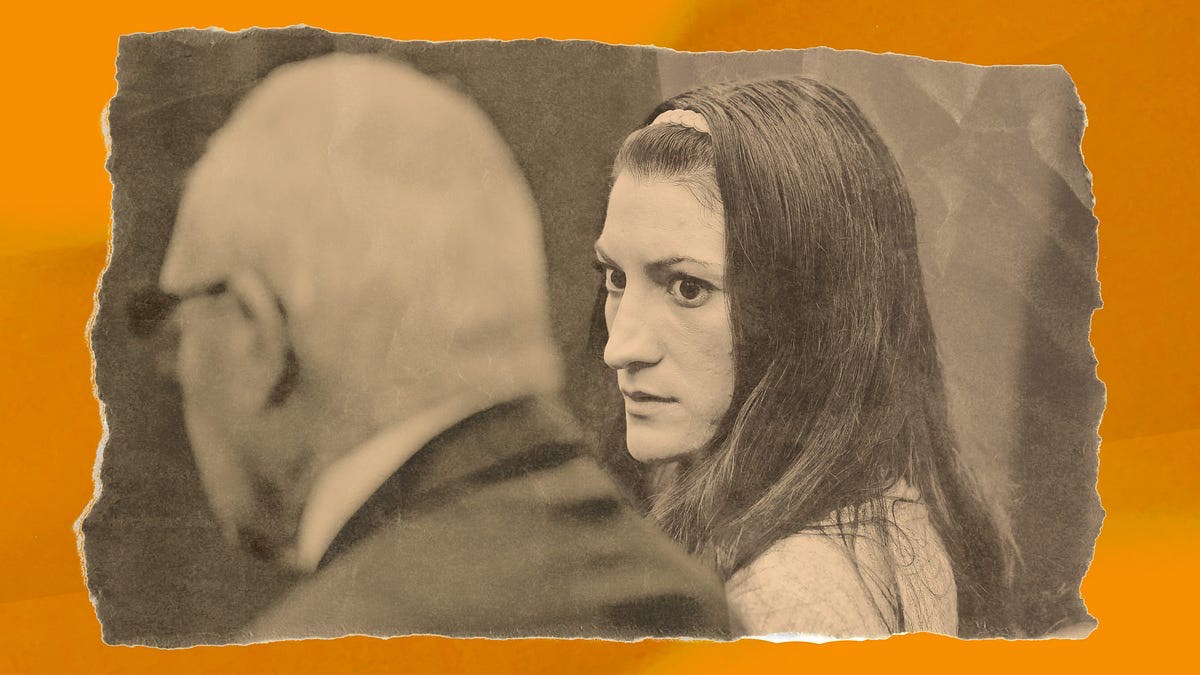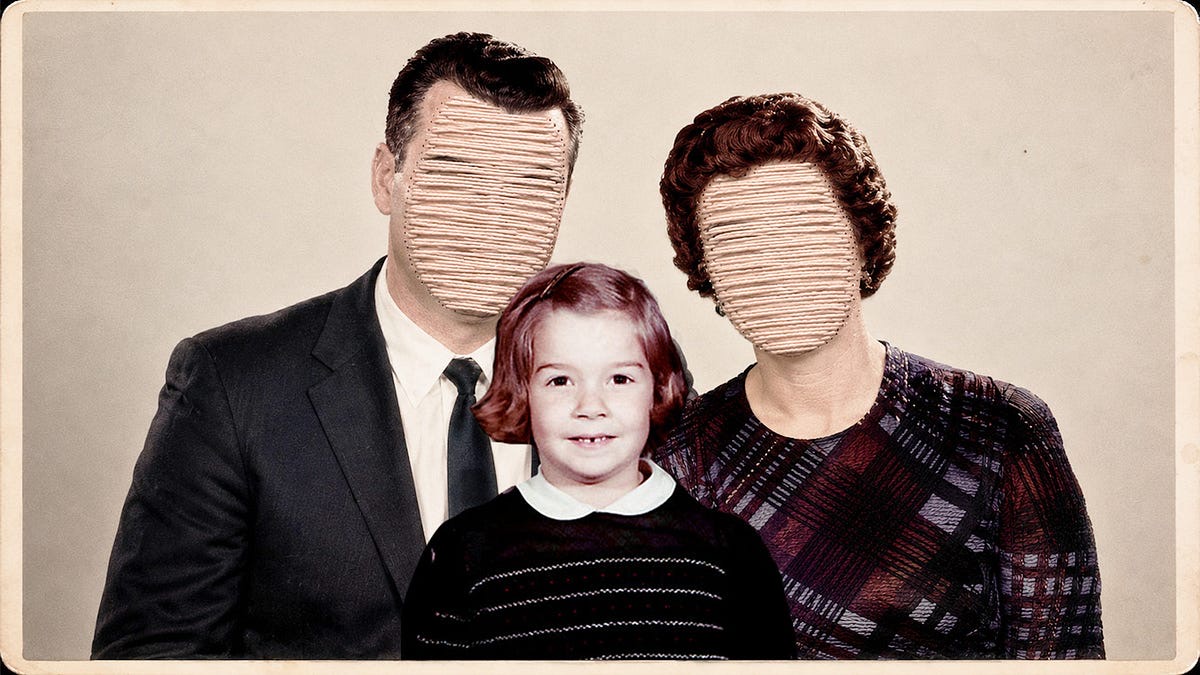
In 2008, Christina Buttons was 19 years old and struggling with suicidal thoughts. Her therapist told her she was not safe living with her parents. The words came with a ready-made vocabulary: her parents were 'toxic' and 'coercive'; she needed 'boundaries.' The diagnosis was clean, the solution simpler still. She cut her parents off completely and did not speak to them for five years.
Now, she writes, she deeply regrets it.
Buttons is the editor of Tough Love with Abigail Shrier, a weekly advice column at The Free Press. Part of her job is reading the letters that pour in from the other side of these estrangements — the parents. A 60-year-old mother writing that she is estranged from both her adult children, a son aged 30 and a daughter aged 27. A 57-year-old mother whose oldest son, 27, has gone no contact with the entire family. A 55-year-old mother whose daughter, she believes, 'has been influenced by the no contact movement too common in her generation, which rejects normal parents as toxic.'
The letters keep coming because the phenomenon is real and growing. Today, according to Buttons, 10 percent of the U.S. population is estranged from a parent or child. More people than ever are in therapy. And as The Wall Street Journal has reported, increasing numbers of those estrangements are being encouraged by therapists themselves.
The therapeutic language has migrated far beyond the clinic. Painful experiences are 'trauma.' Hurtful words are 'abuse.' Cutting off a family member is reframed as 'self-care' — a phrase that carries no weight of consequence, no reckoning with what is lost on both sides of the silence.
Buttons says she knows firsthand how destructive this can be. She writes that she hopes her story gives others reason to think carefully before allowing a therapist to help them sever a family relationship.
---
Say it plainly: the therapeutic framework that Buttons describes does not merely reflect family breakdown — it actively produces it. When a professional with institutional authority tells a 19-year-old that her parents are the root cause of all her problems, she is not offering a neutral clinical observation. She is handing a young person a permission slip, wrapped in the language of health and safety, to walk away from the people most likely to still be standing beside her decades later.
The record here is not complicated. Ten percent of Americans estranged from a parent or child is not a rounding error. It is a social fact with costs that no insurance code captures: the grandmother who never meets her grandchildren, the father who dies before the reconciliation happens, the adult child who, like Buttons, spends nearly two decades carrying regret. Follow the incentive, not the press release. Therapy is a service industry. Estrangement, unlike reconciliation, tends to keep the client in the chair. That is not a conspiracy — it is a structural problem worth naming. The family, for all its imperfections, remains the institution that the state and the market cannot replace. Treating it as a pathology to be managed is not progress. It is a trade-off with a very long bill.