A 19-year-old named Janie went through Bama Rush at the University of Alabama. She posted outfit-of-the-day videos, recapped house visits, and fumbled through trending dances on TikTok. Within a week, her account was averaging tens of thousands of views per video.
Janie was not real. She was born from a single image generated by ChatGPT. Every video she posted was prompted by Olivia Moore, a partner on the investing team at Andreessen Horowitz, where she focuses on AI.
The internet figured it out. They kept watching anyway.
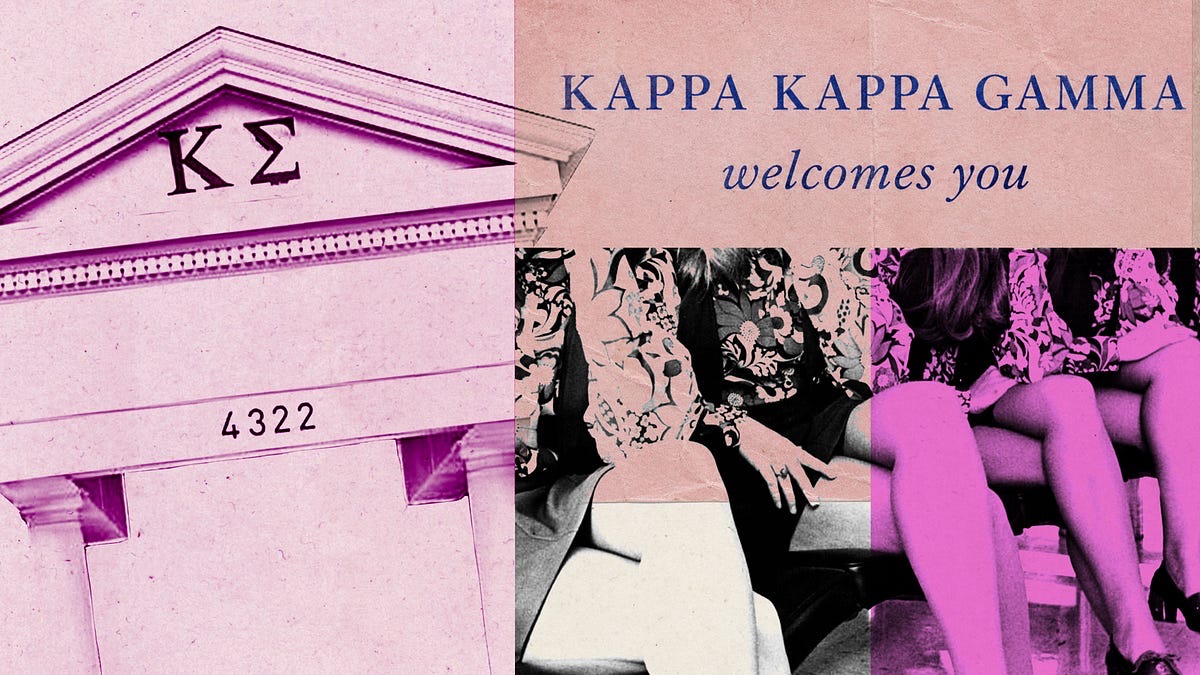
Moore's experiment ran during RushTok — the annually recurring online spectacle built around the University of Alabama's sorority recruitment, in which roughly 2,500 prospective new members move through themed rounds of interviews before receiving bids on the final day. The ritual is already a performance. Thousands of real young women post nearly identical content: what they wore, what they said, how a house made them feel. Janie fit the format precisely because the format had already been optimized for replication.
That is the detail worth sitting with. Moore did not trick a naive audience. She inserted a synthetic participant into a social media genre so codified that authenticity was already beside the point. The viewers who discovered Janie was AI-generated did not log off. The disclosure, apparently, changed nothing about the incentive to watch.
This is the question Moore set out to test: what happens to engagement once people know they are watching something made by AI? The answer her experiment produced — continued and apparently undiminished viewership — is not a quirk of sorority content. It is a data point about how audiences are recalibrating the value they assign to human origin.
The implications run well past TikTok. If disclosure does not reduce engagement, then the market signal that has historically rewarded human creative labor — the premium audiences pay, implicitly or explicitly, for knowing a person made something — weakens. That is a genuine trade-off, and it deserves honest accounting rather than either techno-utopian celebration or reflexive alarm.
One caveat the record requires: the publication date attached to Moore's piece reads 08.26.26, a date that has not yet occurred at the time of this writing. The underlying facts she describes — the experiment, the platform, the engagement figures — are presented as already having taken place, but the temporal discrepancy is real and unresolved. We note it because the record should be clean.
What the experiment does establish, on its own terms, is a principle that free markets have always known and that regulators perpetually underestimate: people reveal their preferences through behavior, not through stated values. Audiences say they want authenticity. They watched Janie anyway. Follow the incentive, not the press release.
The harder question is what institutions — platforms, advertisers, the creators themselves — do with that information. Disclosure requirements and labeling mandates are already moving through legislatures on both sides of the Atlantic. Moore's data suggests labels may inform without deterring. That is not an argument against transparency. It is an argument for honesty about what transparency alone can and cannot accomplish.