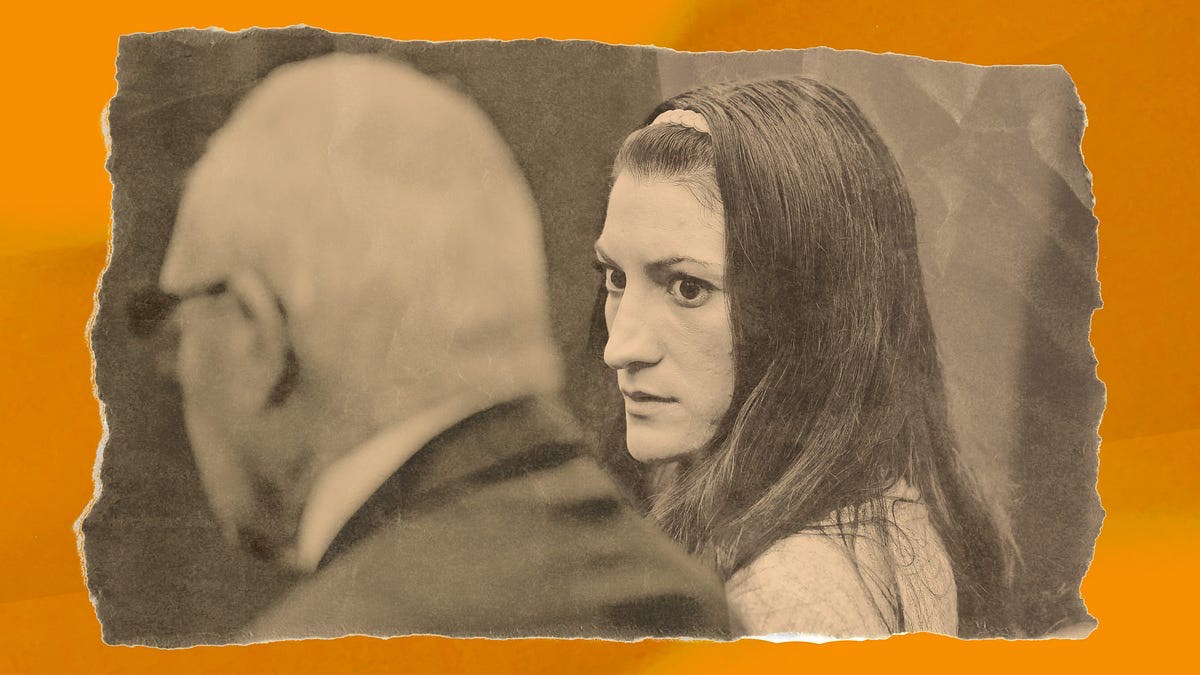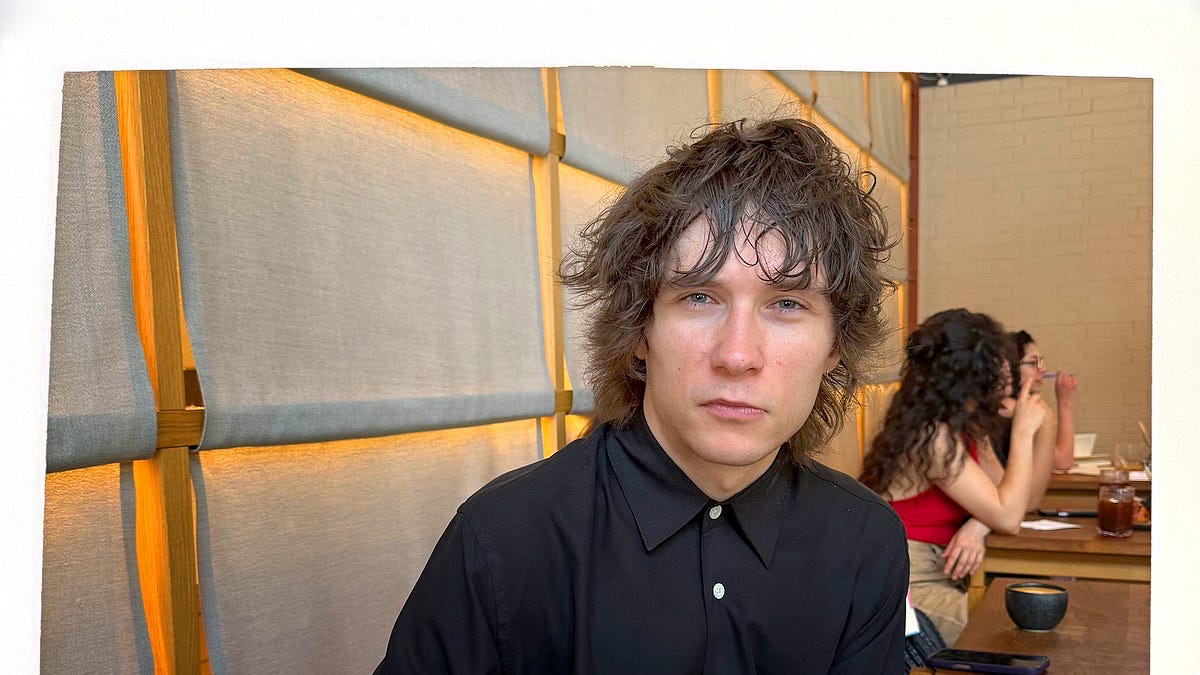
Egor Cherniuk is 28 years old, lives in Brooklyn, and is wanted in Russia. He was the youngest campaign manager for Alexei Navalny, the face of Russia's democracy movement, who died in a gulag in 2024 after years of fighting Vladimir Putin's government. Cherniuk himself went to prison for his activism. He arrived in Brooklyn in 2025.
He does not feel entirely at home there, either.
'By Russian standards, I'm as lib as one can get,' Cherniuk says. 'I'm against the war. I'm pro-Western values.' But the version of liberalism he finds in his new neighborhood is not the one he risked his freedom for.
'Russian liberalism is a more classic liberalism; we care about building institutions that allow for freedom to thrive in a society,' he explains. 'And so, as an activist, to bicker about pronouns when you don't have a free press or when you don't even have independent courts sounds so fucking ridiculous.'
The distinction he draws is not a minor one. In Russia, the liberal project meant something concrete and costly: independent courts, a press that could not be shut down by decree, the right to organize against a government that jailed its critics. Cherniuk paid for those ideas with time behind bars. The movement he served paid with Navalny's life.
What he encountered in Brooklyn was different — a political culture preoccupied with language, identity, and the internal grievances of a society that already possesses, however imperfectly, the institutions his movement bled for. He does not identify, he says, with the 'tear-it-all-down, fuck-America libs.'
The contrast is worth sitting with. Cherniuk is not a conservative by any standard American taxonomy. He is, by his own account, as liberal as Russia produces. But his liberalism is first-principles liberalism: the kind that begins with the question of whether the state can imprison you for your opinions, and works outward from there. It is the liberalism of Locke and Mill, not of campus grievance committees.
There is an irony here that the record makes plain. The countries that most loudly export progressive social politics are precisely the countries whose foundational freedoms — speech, assembly, due process — are so entrenched that their citizens have largely stopped noticing them. A man who watched his colleague die in a penal colony for the right to organize a political campaign finds the luxury of that forgetfulness difficult to share.
What Cherniuk's story illuminates is the difference between liberalism as a living project — fragile, contested, worth prison — and liberalism as a cultural identity, comfortable and self-referential. The first kind builds institutions. The second kind, as he puts it plainly, bickers about pronouns. The free world would do well to remember which one it actually needs.