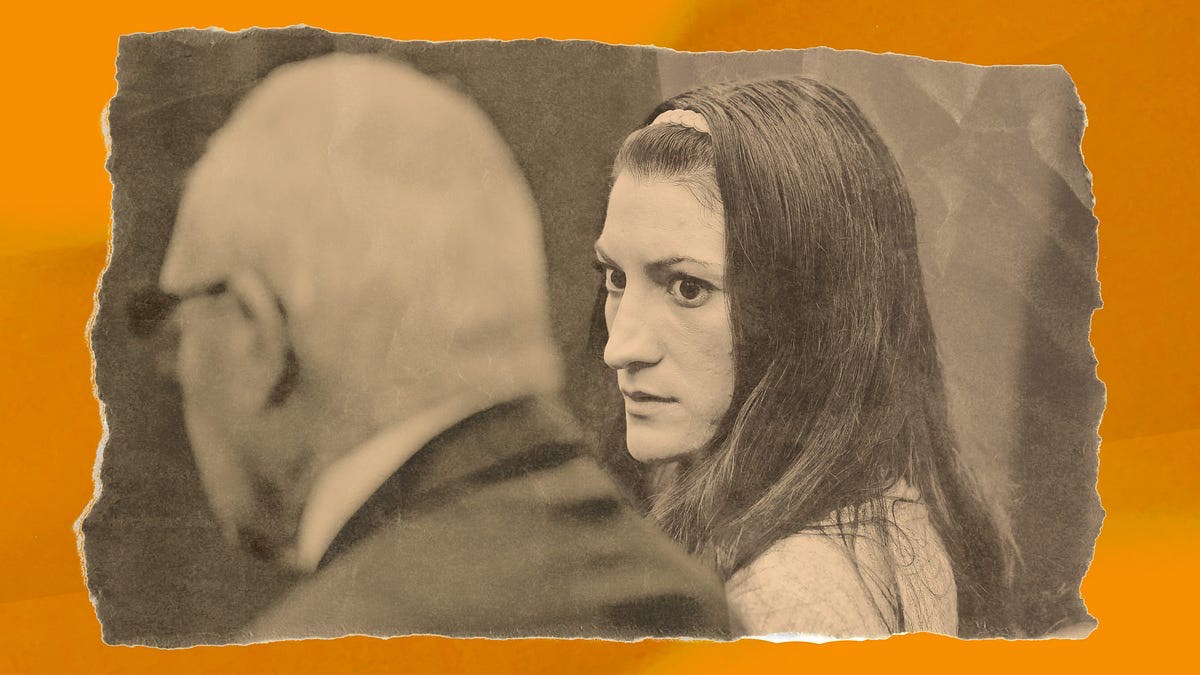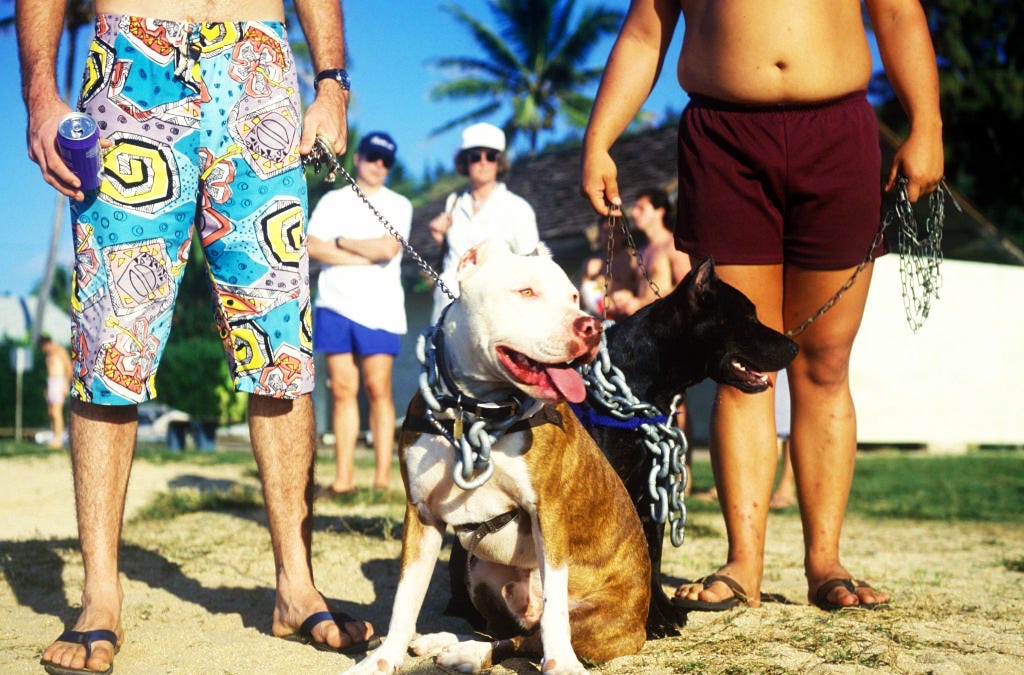
Actor Jon Bernthal appeared on The Howard Stern Show recently and offered a verdict on one of the internet's most reliably combustible debates. 'The myth of the pit bull is a lot of bullshit,' he said. 'Pit bulls don't attack. It's just racism. It's just dog racism.'
The remarks, as culture writer Kat Rosenfield notes at The Free Press, set off a fresh round of what she calls 'the cursed conversation cycle known as pit bull discourse.' She is not impressed.
Rosenfield's framing is pointed: Bernthal's comments are, she writes, 'a nice change of pace from the usual reason pit bulls end up in the news, which is that one of them has mauled someone to death.' The implication is plain. When the conversation is driven by a celebrity's talk-show riff rather than a fatality, it at least has the virtue of not beginning with a body.
But the underlying argument — that concern about pit bull behavior is mere prejudice, a kind of species-level bigotry dressed up as public-safety reasoning — is one Rosenfield treats as not merely mistaken but actively harmful. Her piece, published August 21, argues that Bernthal is wrong, and dangerously so.
The actor's framing follows a familiar rhetorical move: convert an empirical question into a moral one. If skepticism about a breed's aggression profile is 'racism,' then the person raising the question is not a worried parent or a policy analyst — they are a bigot. The debate ends before the evidence enters the room.
This is worth pausing on. The word 'racism,' applied to dogs, does real work here. It borrows the moral weight of one of the most serious charges in contemporary public life and deploys it to preempt scrutiny. Whether or not one accepts Bernthal's underlying claim about pit bull behavior, the rhetorical strategy is the same one used to shut down any number of empirical conversations: attach a stigma to the question, and the questioner goes quiet.
Rosenfield's objection is not that pit bulls are irredeemably dangerous or that their owners are reckless. It is that the evidence deserves a hearing — and that a celebrity's confident dismissal on a talk show, however well-intentioned, does not constitute one.
---
Say it plainly: the pit bull debate is, at its core, a question about risk, responsibility, and who bears the cost when things go wrong. Those costs are not abstract. They fall on individuals — often children, often people who had no say in a neighbor's choice of animal. Framing the safety question as bigotry does not make those people safer. It makes them easier to ignore.
Follow the incentive, not the press release. Bernthal is an actor promoting a persona; the discourse rewards the boldest take. The families who have experienced the 'usual reason pit bulls end up in the news' are not on The Howard Stern Show. The record is public. The conversation deserves better than a slogan.