The Indiana Fever beat the Portland Fire 112-98 on Friday night. Caitlin Clark recorded a triple-double. Sophie Cunningham scored 13 points and added 3 assists. None of that was the story the building wanted to tell.
Cunningham was welcomed onto the court in Portland with boos and fans waving transgender flags. She answered the noise by burying a three-pointer. She did not stop to address the crowd. She did not need to.
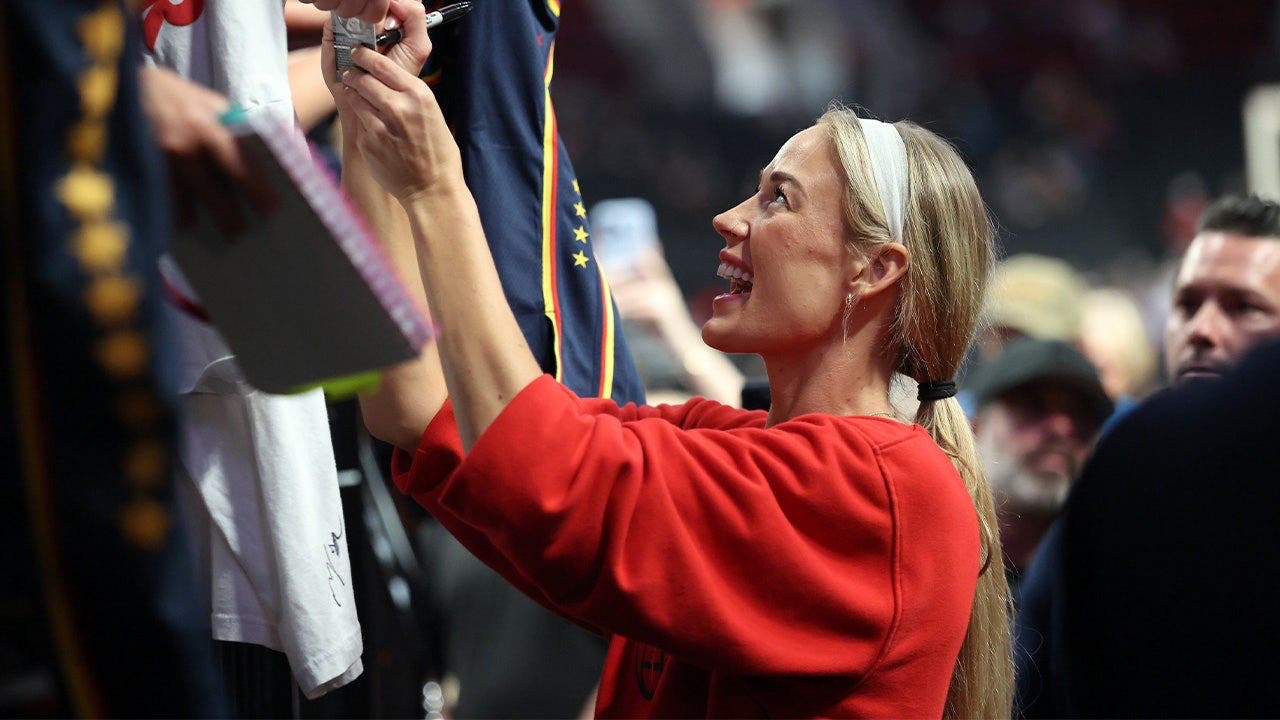
After the final buzzer, she found a young girl near the court and gave her one of her game-used shoes.
That is the whole story. It requires no editorial improvement.
What the week was actually about
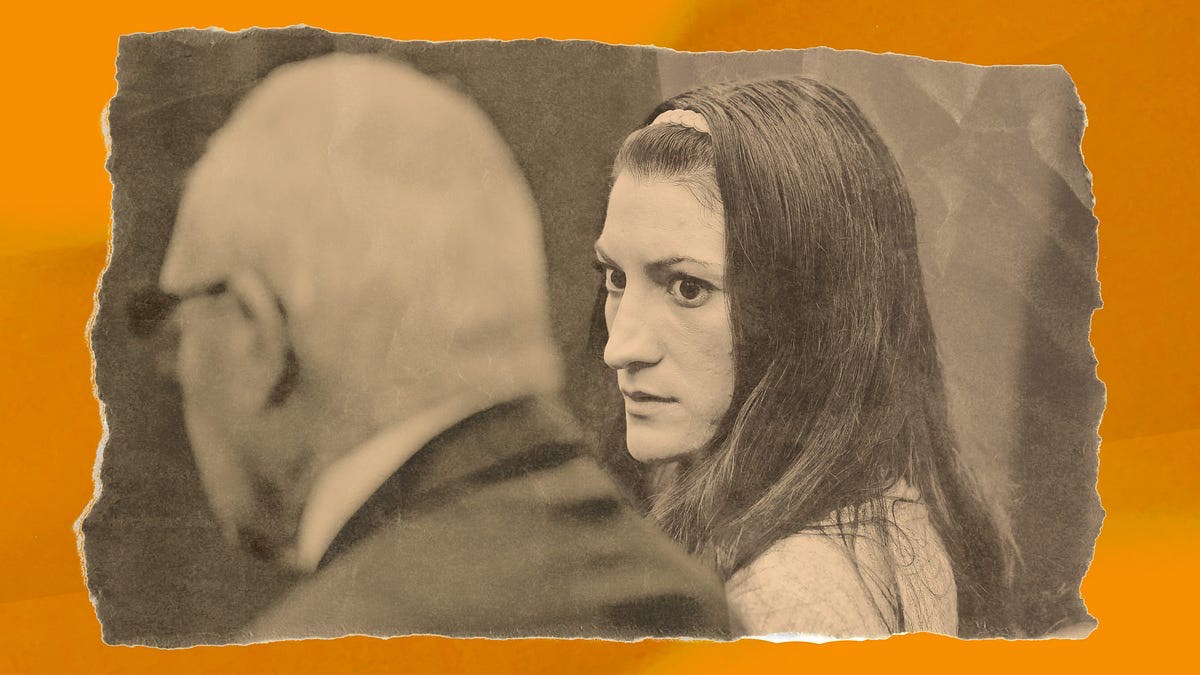
The events leading to Friday trace back to an ESPN profile in which Cunningham said she wanted to 'protect young girls in a locker room, or young girls in sport who shouldn't have to go against biological men.' The statement, unremarkable by any ordinary measure of women's sports advocacy, detonated inside a league that has positioned itself, loudly and deliberately, as a platform for progressive activism.
Supporters gathered outside the arena in Portland. Counterprotesters met them. Inside, the hostility was directed at a player on the visiting team — not for a foul, not for trash talk, but for a position she stated in a magazine profile. The Fever's postgame press conference was shut down when reporters pressed the Cunningham question. The league's response to all of it has been, to put it plainly, silence on the substance and noise on the margins.
Riley Gaines, who has spent years litigating exactly this terrain, said recently that the WNBA must decide whether its priority is growing the next generation of girls who will one day join its ranks or political activism. That framing is not hyperbole. It is a description of a real institutional choice, one the league is making in real time, whether it acknowledges it or not.
Follow the incentive
The WNBA's audience has grown. Caitlin Clark is the reason most people can name a current roster. The young girl who walked away from a Portland arena Friday night holding a game-worn shoe is, in the most literal sense, the league's future customer, future player, future reason to exist.
The people booing Cunningham are not that. They are a constituency that arrived with flags and a grievance, and they will be gone when the grievance moves on to the next venue.
Say it plainly: an organization serious about the long-term health of women's athletics would look at what happened after that final buzzer — a player, still in her uniform, pressing a shoe into a child's hands — and recognize it as the product worth protecting. Instead, the institutional energy this week went toward ending press conferences and, by the account of sources cited in reporting, treating Cunningham as the disruption.
The record is public. The incentives are not complicated. What is true about Friday night in Portland does not need an adjective: a player who said she wants to protect girls in sport gave a girl something she will keep the rest of her life. The crowd that booed her will not remember her name by September.