The conventional wisdom held that millennials and Gen Z had rejected the suburbs — that they wanted cities, experiences, and flexibility over lawns, commutes, and mortgages. The conventional wisdom was wrong.
A Pew Research poll found that 89 percent of young Americans believe buying a home will be harder for them than it was for their parents' generation. That is not the sentiment of a generation that has moved on. That is the sentiment of a generation that wants in and keeps finding the door locked.
The data point matters because it reframes the political conversation. Housing 'affordability' has become a reliable applause line for politicians of every stripe, but the word tends to dissolve into vague promises the moment the cameras turn off. What the Pew number tells us is that the demand is real, it is broad, and it is not going away.
Congress, for once, appears to have heard it. The 21st Century ROAD to Housing Act became law last month with overwhelming bipartisan support. According to the reporting, it passed in a way that helps the young more than the old — which is notable precisely because that is not how most legislation is written. The political economy of housing has long favored existing homeowners: zoning restrictions, permitting delays, and regulatory thickets that protect asset values for those already inside the market while pricing out everyone still trying to enter it.
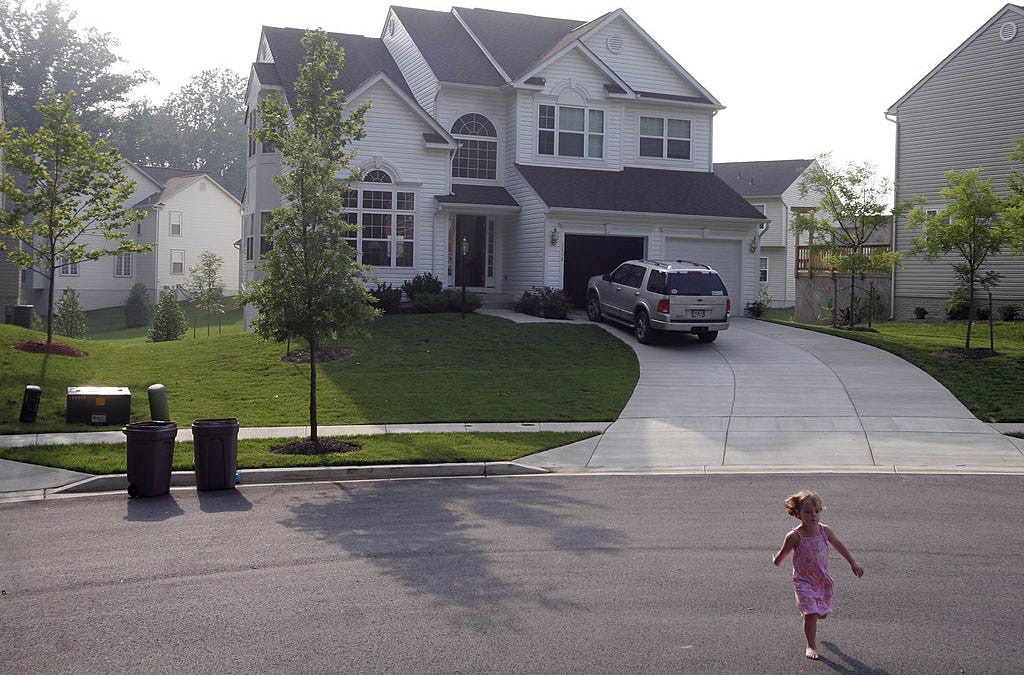
The deeper story here is not really about housing policy. It is about what young people actually want when you ask them plainly, rather than inferring their preferences from TikTok trends or urban zip codes. They want a steady job. A simple house. A quiet life. They want, in a word, suburbia — the same bourgeois aspiration that a previous generation of cultural critics spent decades mocking as conformist and small.
Americans still believe the American dream is worth striving for, the reporting notes, yet less than half believe every American has the opportunity to achieve it. That gap — between the ideal and the accessible — is where the real political energy lives.
Say it plainly: the problem is not desire. The problem is supply, regulation, and the accumulated policy choices of decades that made it rational for existing homeowners to block new construction. The young are not asking for a handout. They are asking for a market that is allowed to function.
The passage of the ROAD to Housing Act is a step. Whether it is a serious one depends on implementation — on whether the deregulatory intent survives contact with the administrative state that has spent generations building the barriers in the first place. Follow the incentive, not the press release. The homeowners who benefit from scarcity have not changed their minds. They have simply, for now, lost a vote in Congress.
What is true does not need an adjective: young Americans want what their parents had. The question is whether the institutions that govern land use will get out of the way long enough to let them have it.