The debate over how far American power should reach did not begin with Ukraine, or Afghanistan, or Iraq. According to historian Dane J. Cash, it began with Korea.
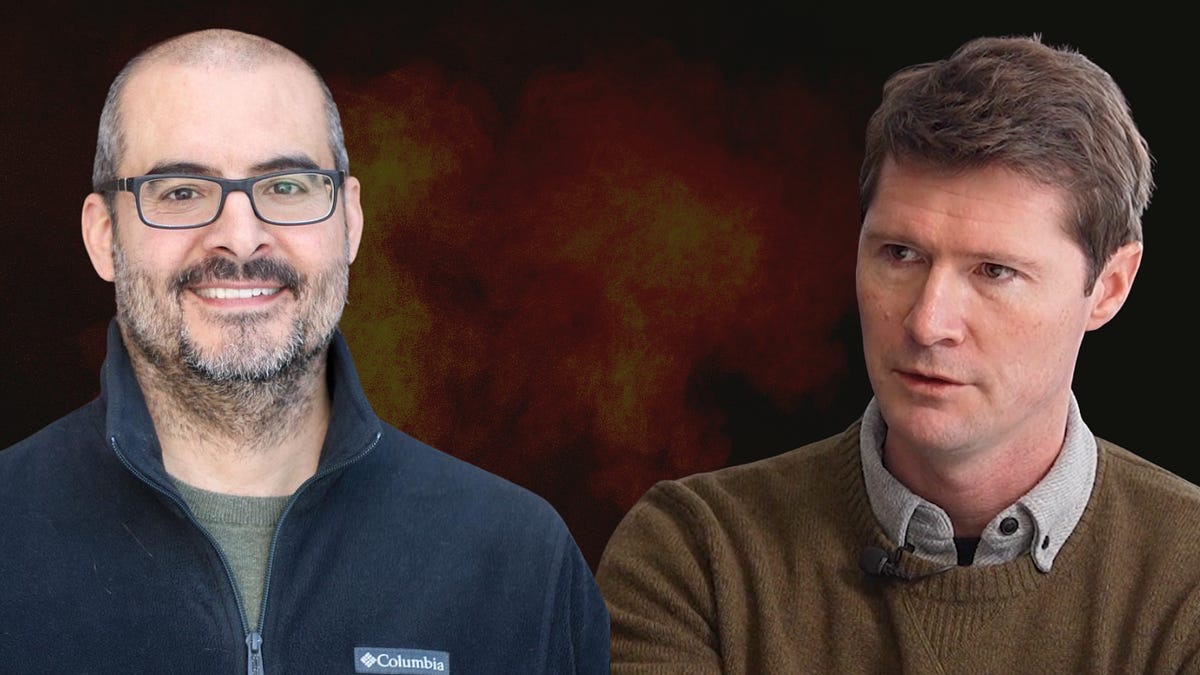
Cash is the author of The Forgotten Debate: The Korean War and the Roots of America's Ideological Divisions. He appears on School of War, the podcast hosted by Aaron MacLean, a columnist at The Free Press and national security analyst at CBS News, to make the case that the current split between hawks and doves — on both the American left and right — has a lineage stretching back more than 75 years.
The episode's framing, as described on the show's page, is direct: more than seven decades after the armistice, the lessons of Korea 'endure,' and the divisions over isolationism versus American power 'continue to shape the discourse around modern global conflicts.' The show describes Cash walking through how the left's internal hawk-dove split first crystallized during that war — a split, the description suggests, that prefigures arguments Americans are still having today.
The episode is listed on the School of War page dated August 28, 2026. Beyond the introductory material, the substance of Cash's argument sits behind a subscriber paywall; the publicly available text does not detail his specific claims about Korea-era coalitions or how he maps them onto today's debates.
What is available is the premise, stated plainly by the show itself: America's foreign-policy arguments are not new inventions of the Trump or Biden years, or even the Cold War's later chapters. They are, on this account, recurrences of a debate that opened when the United States first committed ground troops to a war on the Asian mainland without a declaration of war from Congress and without a clear public mandate for what "containment" would actually cost in blood and treasure.
That is worth sitting with, even from the outside of a paywall. The instinct to treat every foreign-policy fight — over Ukraine funding, over troop levels in the Middle East, over the pace of a China buildup — as a novel argument between "isolationists" and "internationalists" flattens a much older institutional story. If Cash is right that the fault lines go back to Korea, then the current arguments inside both parties are not a breakdown of consensus. They are the consensus's original condition, reasserting itself.
That matters for how we judge today's disputes. A foreign policy establishment that treats dissent from military commitments as an aberration — rather than as part of a debate this country has been having, in some form, since 1950 — is less likely to make its case on the merits and more likely to simply assert its authority. The record on Korea, the costliest of America's forgotten wars, does not support that shortcut. Neither should the record on whatever comes next.