Say it plainly: a community does not lose an amusement park. It loses the thing the amusement park was for.
California's Great America, Silicon Valley's only amusement park, has operated in Santa Clara County for half a century. Its lease expires in 2028. The land sits across the freeway from Nvidia's headquarters, and by the cold logic of municipal tax revenue, almost any alternative use — data centers chief among them — would outperform a theme park. The closure is expected next year.
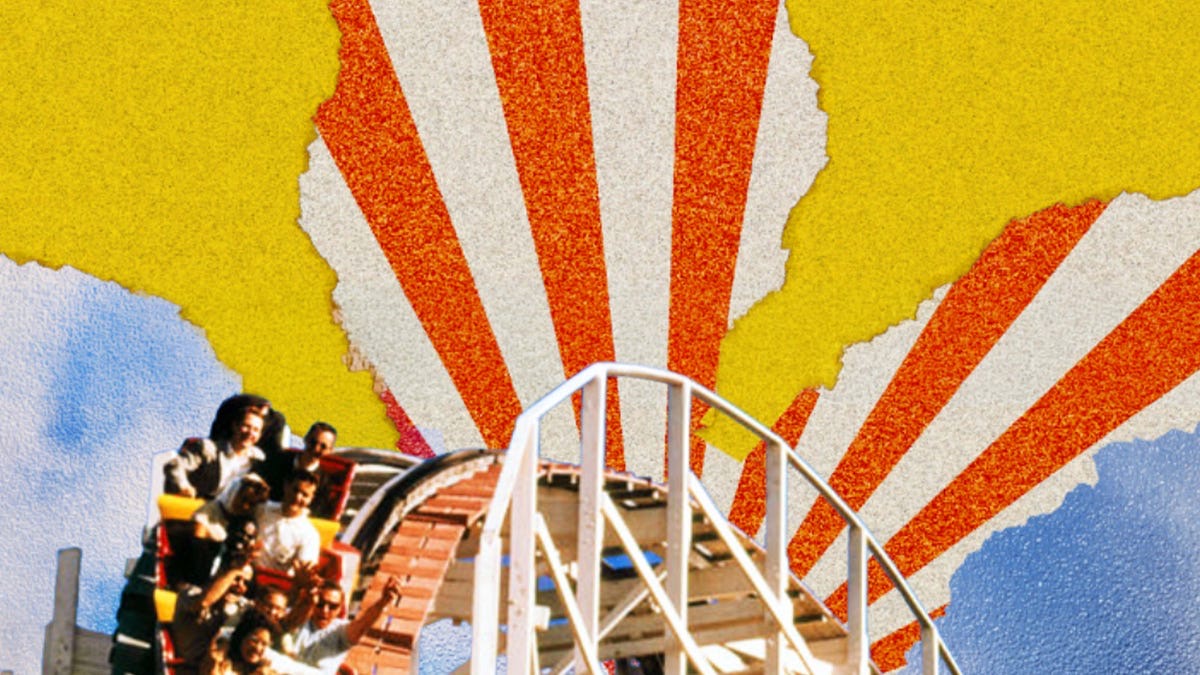
Josh Code, writing in The Free Press, returned to the park for the first time in a decade to take stock of what is being lost. He paid $60 for admission and $39 for parking. What he found was not merely nine roller coasters, nine water slides, and a cluster of Snoopy-themed attractions. He found the fading architecture of a park built in deliberate celebration of America: a 1950s-style retro diner serving corn dogs and milkshakes, a spinning red-white-and-blue ride called the Liberty Twirler, and the faint sound of Scott Joplin's 'Maple Leaf Rag' drifting over the queue for Patriot — a 91-foot, America-themed roller coaster.
These are not incidental details. They are the point.
Code identifies three forces converging on Great America's fate. First, the economics of the amusement park business itself, which were already under pressure before the land became so valuable. Second, what he describes as a broader cultural shift — the sense that many Americans now feel 'too ashamed or demoralized to celebrate their country,' a condition that makes a patriotically themed park feel out of step with the moment. Third, and most structurally, the migration of leisure from the physical to the digital: the screen has colonized the hours that once belonged to the roller coaster.
The internet, Code argues, is the familiar culprit threading all three explanations together.
---
Follow the incentive, not the press release. The incentive here is unmistakable: in a county where land adjacent to Nvidia's campus commands a premium, a park that charges $60 a head and fills on weekends cannot compete with the tax yield of a data center that runs twenty-four hours a day and requires almost no public services in return. The market is not wrong about the numbers. But markets price what can be priced, and they do not price the memory of a child's first roller coaster, or the civic texture of a place where a county's residents — across income levels — shared a common physical experience.
What is being built in Great America's place will power the artificial intelligence that Silicon Valley sells to the world as the future of human experience. The trade-off is worth naming honestly: the valley is exchanging a place where people gathered in the physical world for infrastructure that accelerates their retreat from it. Whether that is progress depends entirely on what you think leisure, community, and celebration are for — and whether you believe a civilization that cannot sustain a single amusement park for its children has correctly ordered its priorities.