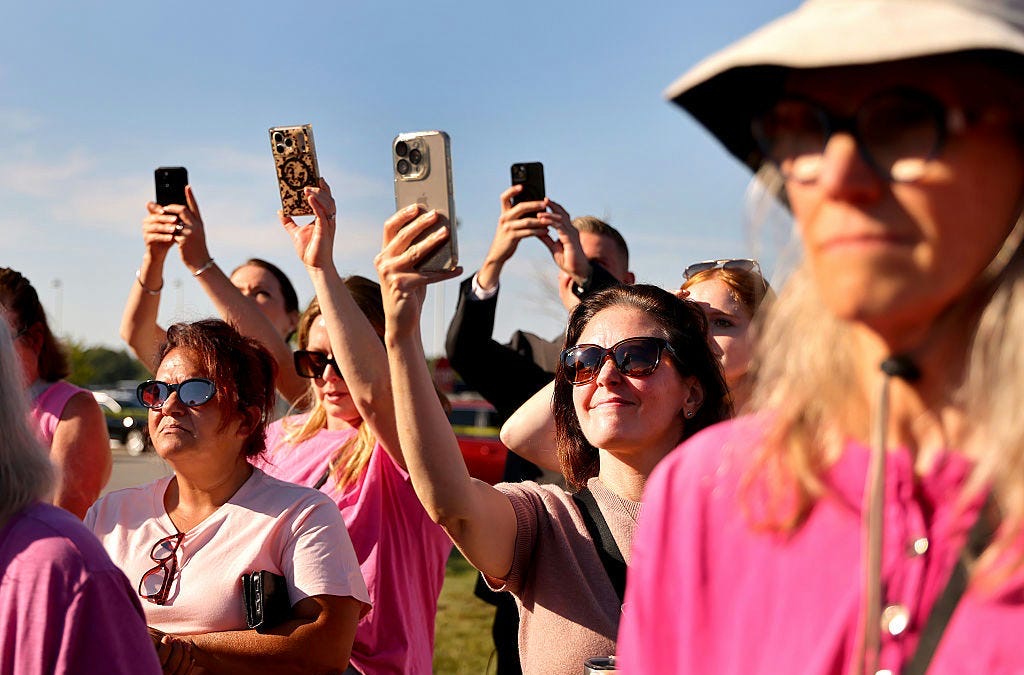
The videos are easy enough to find. A mother props her phone against the bathroom tile, hits record, and hurls ice into the tub while screaming for a full minute. Another sets up a ring light to film herself sobbing in front of her small children. Others post footage of their crying babies with a single caption: 'Me too, Lindsay.'
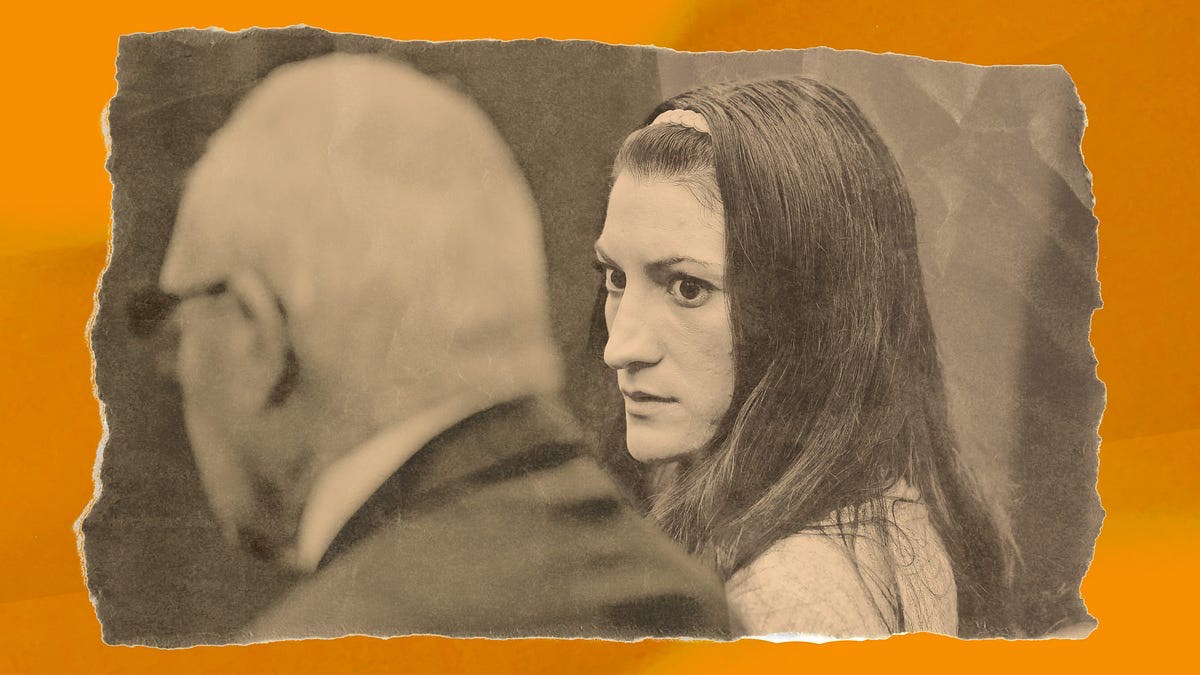
Lindsay Clancy is the Massachusetts mother currently on trial for the murder of her three children — ages 5, 3, and 8 months. Her defense argues she was in the grip of postpartum psychosis at the time of the killings, and has pointed to multiple medications prescribed by different doctors to treat her depression in the months before the deaths. That is the legal argument. What is happening on TikTok is something else entirely.
In the momosphere — the sprawling network of TikTok moms, mommy influencers, and mom bloggers — Clancy has been claimed not as a cautionary tale but as a martyr. An overwhelmed, overmedicated mother who, according to her supporters, practically begged for help and received none. The moms filming themselves in bathroom meltdowns see something of themselves in her. The algorithm, as writer Kara Kennedy notes in The Free Press, made sure the content spread.
Say it plainly: this is not a mental-health conversation. It is a cultural one.
For decades, the dominant message delivered to American women has been that motherhood is a diminishment — a career interrupted, an identity surrendered, a body colonized. The momosphere did not invent that message. It inherited it, compressed it into sixty-second clips, and monetized it. What the algorithm optimizes for is engagement, and nothing engages quite like grievance performed at volume. Throwing ice. Screaming. Weeping on camera while an infant watches. These are not coping mechanisms. They are content.
The defense's argument — postpartum psychosis, a cascade of medications, a system that failed a struggling mother — deserves to be heard in a court of law. That is what courts are for. But the momosphere is not a court. It has rendered its verdict already, and the verdict is that Clancy's victims are incidental to the story of her suffering. Three children, the youngest eight months old, do not appear in that framing except as evidence of how hard motherhood is.
Follow the incentive, not the press release. Influencer culture rewards the performance of extremity. A mother who finds meaning in her children, who reports that the work is hard but the love is real, does not go viral. A mother who screams into a bathtub and tags it with a murdered woman's name does. The platform selects for the content that confirms the frame: that motherhood is a trap, that children are a burden, that rage is liberation.
The record is public. What it shows is a cultural ecosystem that has spent years telling women the worst thing about their lives is their family — and is now surprised to find some of them believe it.
What is at stake here is not a TikTok trend. It is the moral vocabulary a society uses to talk about its children. When the death of three small children becomes the occasion for a solidarity movement among their mother's sympathizers, something has gone badly wrong — not in the algorithm, but in the ideas the algorithm is amplifying. Platforms are pipes. The poison was already in the water.