The prevailing mood in most newsrooms, most classrooms, and most algorithm-driven feeds is one of managed decline. Resources are running out. The future is narrowing. Get used to less.
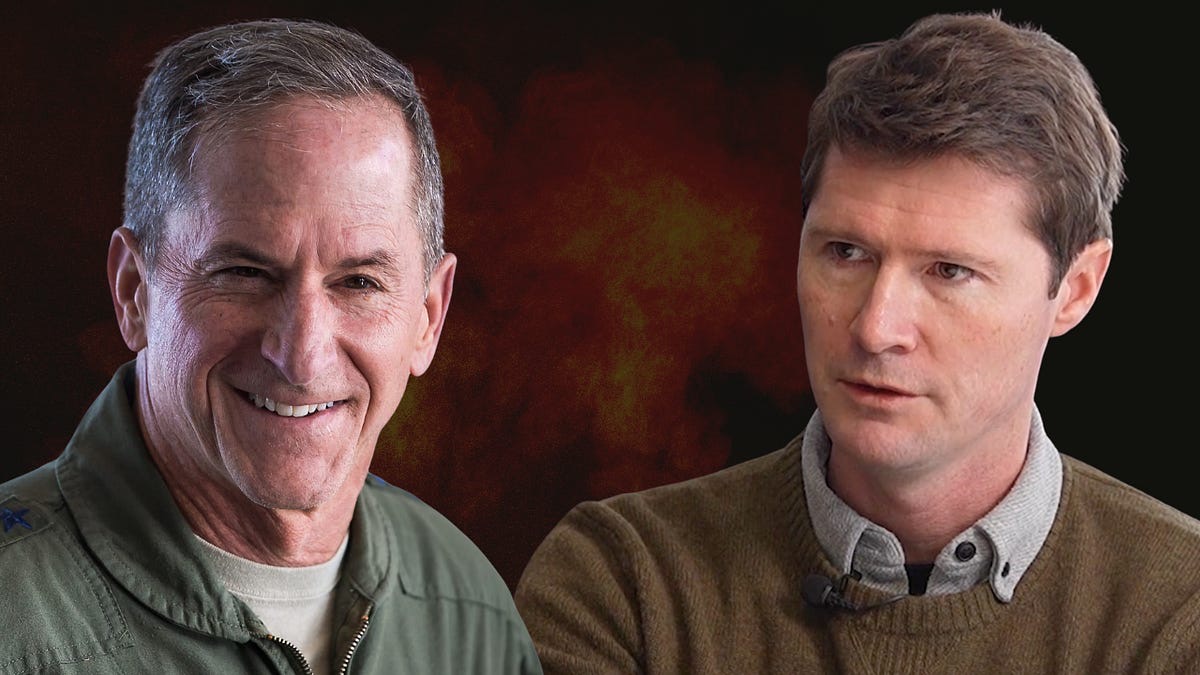
Marian L. Tupy, senior fellow at the Cato Institute and co-author of Superabundance, disagrees — and he brings evidence.
In a conversation recorded for The Free Press, Tupy makes a case that cuts against the grain of nearly every cultural institution that shapes public opinion today: humanity, by the measures that matter, is more prosperous than it has ever been. The story of scarcity, he argues, is not a conclusion drawn from data. It is an assumption dressed up as one.
The distinction matters. Say it plainly: if the doomer narrative is wrong on the facts, then the policies it generates — rationing, redistribution, managed contraction — are solutions to a problem that does not exist in the form advertised. The trade-off is not abstract. Scarcity anxiety, when it hardens into policy, tends to restrict the very mechanisms — free enterprise, open markets, price signals — that have historically produced the abundance the doomers claim is impossible.
Tupy's argument, as summarized in the episode, is not that problems are absent. It is that the trajectory is misread. The record of human material progress, across nutrition, life expectancy, energy access, and purchasing power, points in a direction that the decline narrative cannot easily accommodate.
Follow the incentive, not the press release. Institutions that traffic in scarcity — regulatory agencies, international bodies, certain academic departments — have a structural interest in the problem never being solved. A world of genuine abundance is a world with fewer justifications for administrative expansion. That is not a conspiracy; it is simply how incentives work.
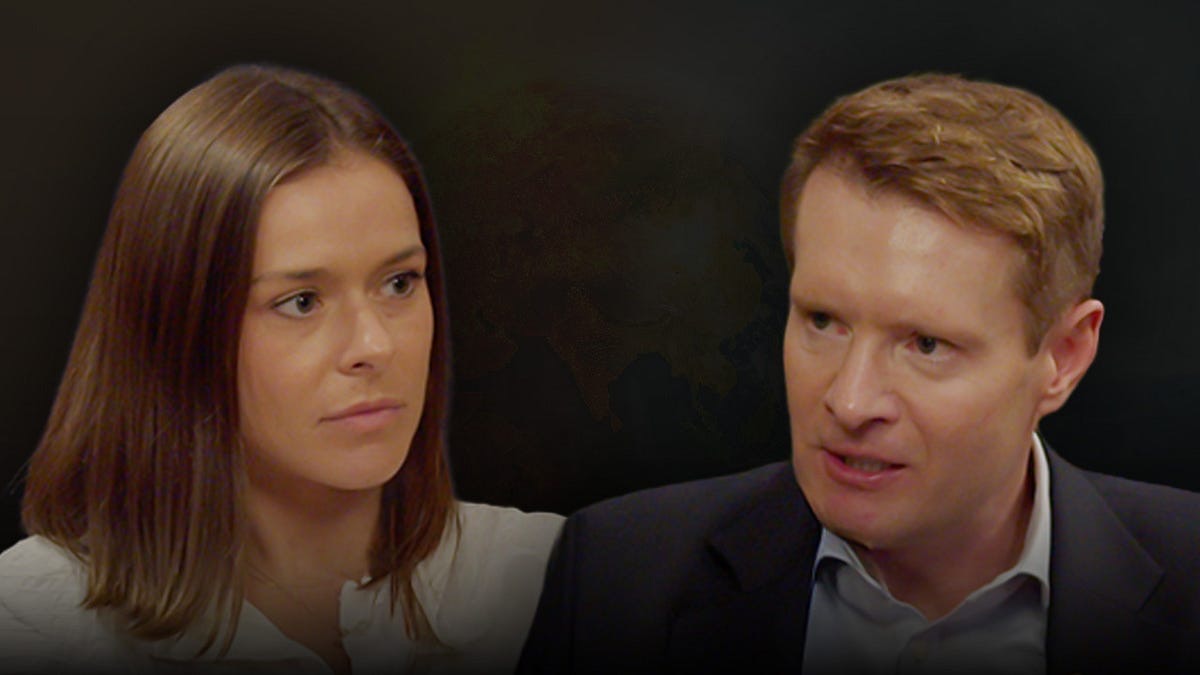
The Free Press episode, hosted by Lucy Biggers, frames Tupy's position as a 'radically different vision' in a culture 'consumed by doomerism.' That framing is fair. What Tupy is offering is not contrarianism for its own sake. It is a first-principles challenge to a consensus that has calcified well ahead of the evidence.
---
The Signal's read: the doomer age is, at its core, an argument for less — less growth, less consumption, less individual latitude, more central direction. Tupy's counter-argument is an argument for more: more trust in human ingenuity, more confidence in market mechanisms, more honesty about what the data actually shows. Those are not equivalent positions, and the difference between them has real consequences for how governments tax, regulate, and constrain the people who actually produce things.
The case for optimism is not a mood. It is a methodology. And right now, it is the dissenting view — which, in our experience, is usually where the more interesting analysis lives.