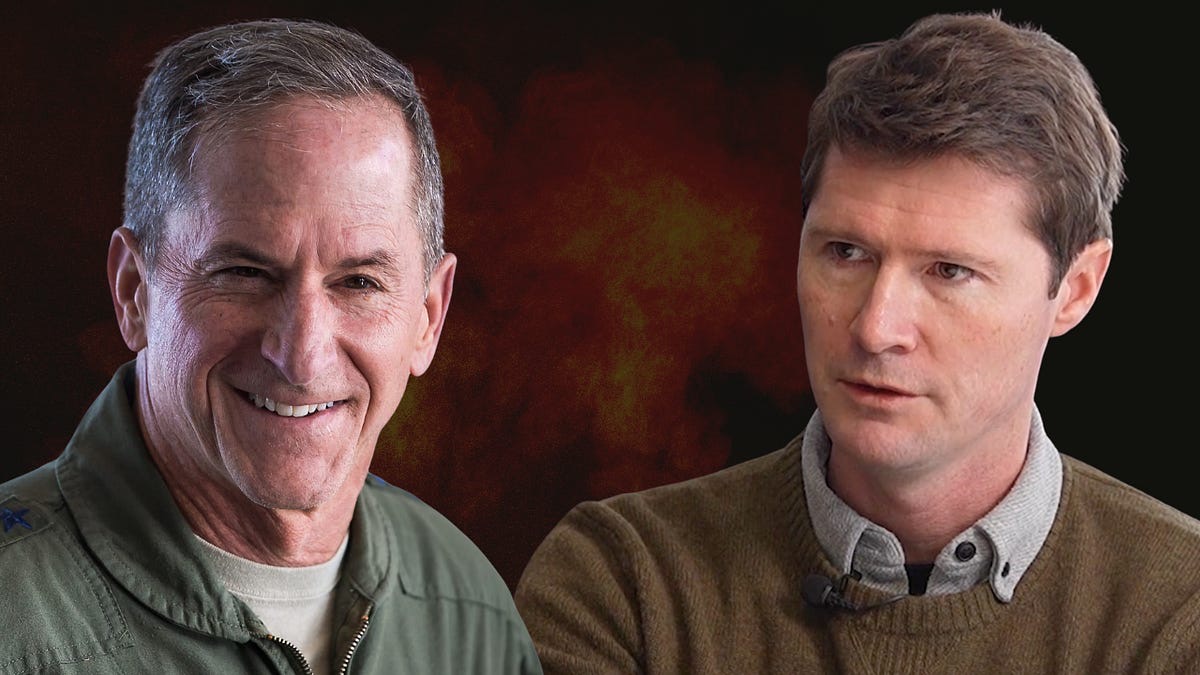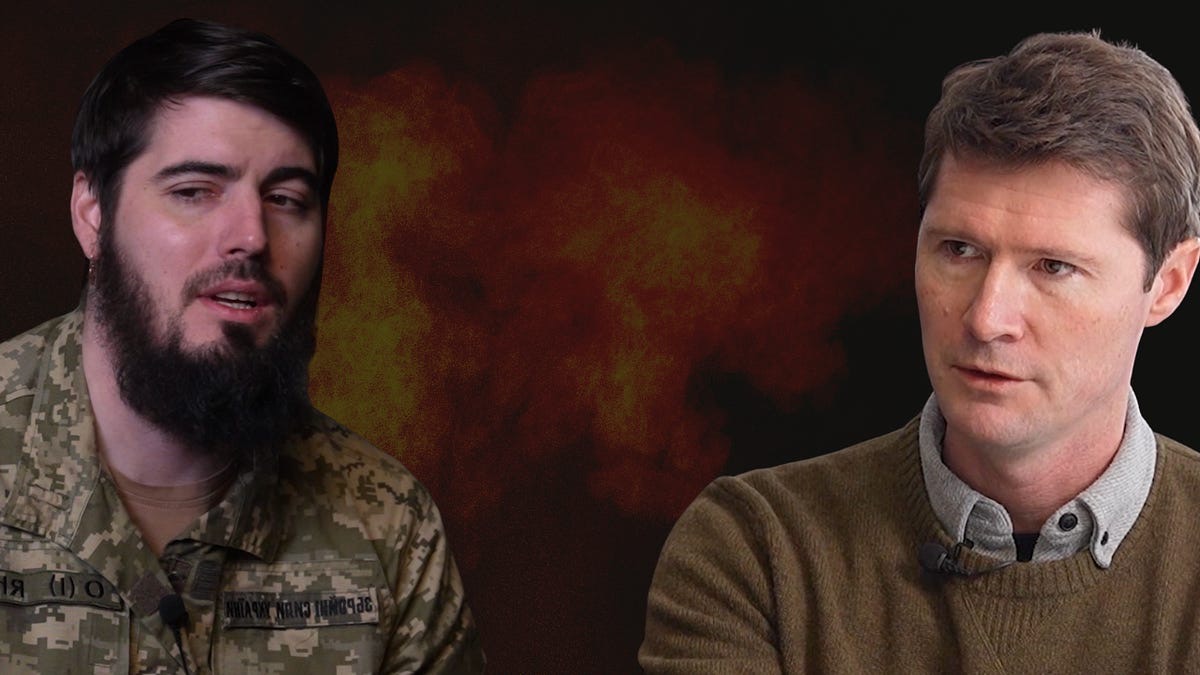
Four years ago, Yuri Fedorenko commanded a volunteer rifle company. Today he leads the 429th 'Achilles' Brigade, described in a forthcoming School of War interview as one of the most lethal units in Ukraine's Defense Forces.
The conversation — scheduled for release on August 4, 2026, with Aaron MacLean, a national security analyst at CBS News and columnist at The Free Press — promises a rare look inside a unit that improvised its way to effectiveness. The subject is not doctrine. It is the gap between what the battlefield demands and what large defense establishments are prepared to deliver.
The headline of what Fedorenko built is straightforward: commercial drones, repurposed and scaled, transformed into a precision hunting capability. What began in 2022 as improvisation — soldiers buying off-the-shelf hardware and figuring out the rest — became, over four years, a systematic approach to targeting. The 429th now hunts targets. That is the verb the source uses, and it is worth sitting with.
The Pentagon, by contrast, operates on procurement cycles measured in years and requirements documents measured in pages. The gap is not a secret. Senior American officials have acknowledged it in congressional testimony, in think-tank reports, and in private. What Fedorenko's trajectory makes concrete is the cost of that gap — not in budget lines but in battlefield outcomes.
The improvisation-to-scale story also carries a lesson about incentives. Ukraine had no choice but to move fast. Its defense industrial base was insufficient, its allies were slow, and the enemy was at the wire. Necessity compressed the innovation cycle. The United States faces no such compression — which is precisely why the lesson is easy to defer and expensive to ignore.
MacLean, who hosts School of War and has covered the conflict closely, has made this institutional lag a recurring theme. The interview with Fedorenko, based on the source description, will cover how the battlefield has evolved since Russia's full-scale invasion, the scaling of the Achilles Brigade, and what the United States still has to learn about battlefield technology.
The record here is instructive. The United States spends more on defense than the next several nations combined. It has the engineers, the capital, and the industrial base. What it has consistently struggled to do is move at the speed of a conflict it is not fighting directly — and to absorb lessons from allies who are.
Say it plainly: a volunteer rifle commander in Ukraine has spent four years solving problems that American defense planners have spent the same four years studying. The interview has not yet aired. But the question it raises is already on the record — and the answer, whatever Fedorenko provides, will be more useful than another requirements document.